Coolant leaks are common, blown head gaskets are not, but the symptoms can overlap just enough to make any driver nervous. A small drip under the car might be annoying, while a true head gasket failure can put the whole engine at risk. The goal is not to panic at the first low coolant warning, but to know the signs that tell you whether this is a simple leak or something that needs a tow and a serious conversation.
Blown Head Gasket vs Minor Coolant Leak: The Big Picture
A minor coolant leak usually means coolant is escaping somewhere outside the engine. That might be from a hose, a clamp, a radiator, a reservoir, or a water pump. A blown head gasket is different. It lets coolant move where it should never go, such as into the cylinders, into the oil, or into the exhaust stream.
Both problems can make the coolant level drop and the temperature climb, but a blown gasket often brings misfires, contamination, or pressure in the system that a basic leak does not. When we inspect a cooling concern, the first step is sorting these two paths so you are not paying for major engine work when you only need a hose, or worse, driving on a failing gasket because it looks like “just a leak.”
Typical Symptoms of a Simple External Coolant Leak
External leaks usually leave clues you can see or smell outside the engine. You might notice a small puddle under the front of the vehicle after parking, often with a sweet odor. Sometimes there are chalky trails or colored crust where coolant has dried on a hose connection, radiator tank, or around the reservoir.
The temperature gauge may run normally most of the time, then creep up slowly on long hills or in heavy traffic if the leak has gone on long enough. The engine usually runs smoothly otherwise. If you keep topping off the reservoir and everything feels normal behind the wheel, odds are higher that you are dealing with an external leak rather than an internal gasket failure, though it still needs attention.
Classic Warning Signs of a Blown Head Gasket
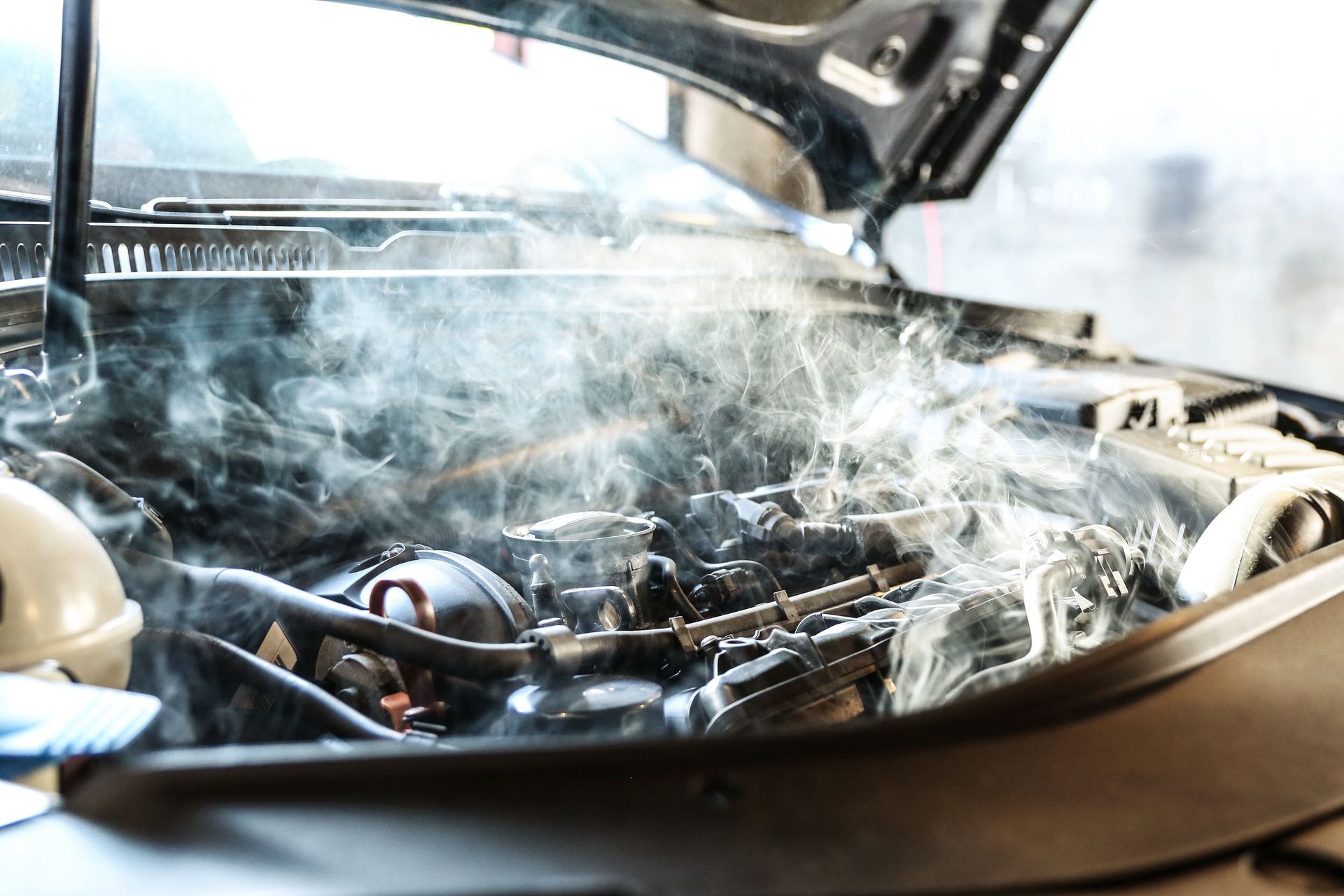
Head gasket problems tend to bring a different set of symptoms, especially as they get worse. Drivers often report a rough idle, hard starting, or a steady misfire that was not there before. The exhaust may show persistent white smoke once the engine is warm, not just on a cold morning.
Coolant can find its way into the oil, which may turn the dipstick or oil cap area milky or frothy. Combustion gases pushing into the cooling system can cause the upper radiator hose to feel rock hard shortly after startup or make the reservoir bubble even when the engine is not very hot. Those are all red flags that go beyond a loose hose clamp.
Severity Levels: When You Can Drive and When To Stop
It helps to think of cooling issues in rough severity tiers.
Mild: small external drip, coolant level drops slowly, temperature gauge stays in the normal range during typical driving.
Moderate: coolant loss is noticeable over a few days, the gauge climbs higher in traffic or on hills, the heater output changes, and you may smell coolant around the vehicle.
Severe: temperature spikes quickly, warning lights come on, thick white exhaust, rough running, or the gauge heads toward the red and does not come back down.
Mild to moderate leaks can sometimes be driven short distances while you are scheduling service, as long as you keep a very close eye on the gauge and level. Once you see a rapid overheat, cloud-like exhaust, or milky oil, it is much safer to shut the engine down and arrange a tow. Continuing to drive a truly overheating engine is how a repair that might have been a head gasket turns into a full engine replacement.
Simple Checks You Can Safely Do at Home
You can collect a lot of useful information without pulling anything apart, as long as you are careful. Only check coolant level when the engine is completely cool, and use the reservoir marks rather than opening a hot radiator cap. Look underneath after the car sits for a while and see where, if anywhere, drops are landing.
You can also check the oil on the dipstick for a normal dark color versus a milky or tan look. Watch the exhaust once the engine is fully warmed up. A little light vapor on a cold morning is normal, but thick, sweet-smelling white smoke that continues after warm-up is a concern. Noting these details and sharing them with a technician helps narrow things down much faster.
How A Shop Tells Minor Leaks from Major Internal Damage
In the bay, diagnosis goes beyond a quick visual. A pressure test can reveal small external leaks that only show up under system pressure. We may perform a chemical test for combustion gases in the coolant to see if a head gasket is leaking into the cooling system. A cylinder leak down test or compression test can confirm whether one or more cylinders have lost sealing.
If we find only damp hose ends or a seeping radiator, the fix may be as simple as new hoses, clamps, or a radiator replacement and a proper bleed of the system. If testing points toward a head gasket, we will talk honestly about the options, from further inspection to full gasket replacement, and whether the rest of the engine is healthy enough to justify the repair.
Get Head Gasket and Coolant Leak Diagnostic in Pensacola, FL with East Hill Automotive
If you are topping off coolant, seeing odd exhaust, or watching the temperature gauge more than you would like, this is the right time to get answers. We can separate minor external leaks from serious internal head gasket issues, then lay out a clear repair plan before more damage occurs.
Schedule a head gasket and coolant leak diagnostic in Pensacola, FL with
East Hill Automotive, and we will help protect your engine and your budget.