A burning rubber smell can make you sit up straight fast. It often hits you at a stoplight, right after parking, or when you step out of the car and catch it near the front end. Even if the vehicle seems to drive normally, that smell usually means something is heating up that shouldn’t be.
Some causes are simple and not too expensive. Others can turn into bigger repairs if you keep driving. The key is narrowing down when the smell occurs and which other symptoms accompany it.
When The Burning Rubber Smell Usually Shows Up
The timing of the smell matters. If you only notice it after highway driving, heat buildup is part of the story. If you notice it mostly in stop-and-go traffic, that points to under-hood heat plus slower airflow. If it happens right after rain, it may be something wet coming into contact with a hot surface.
Pay attention to whether the smell is stronger outside the car or inside the cabin. A smell that’s stronger inside may involve the HVAC intake pulling odor in from the engine bay, or it may be something in the cabin area itself.
Rubber Hoses Or Plastic Touching Something Hot
Under the hood, there are rubber hoses, plastic covers, wiring insulation, and boots. If a hose is routed too close to an exhaust component or a heat shield is missing, you can get a hot-rubber smell without obvious smoke.
Sometimes a loose splash shield or inner fender liner gets pushed out of place and starts rubbing on a tire. That can smell like burned rubber quickly, especially after a turn or after hitting road debris.
A quick inspection can often spot melt marks or shiny rubbed areas, but you want to find them early. Once rubber or plastic gets overheated repeatedly, it can crack and fail.
A Slipping Drive Belt
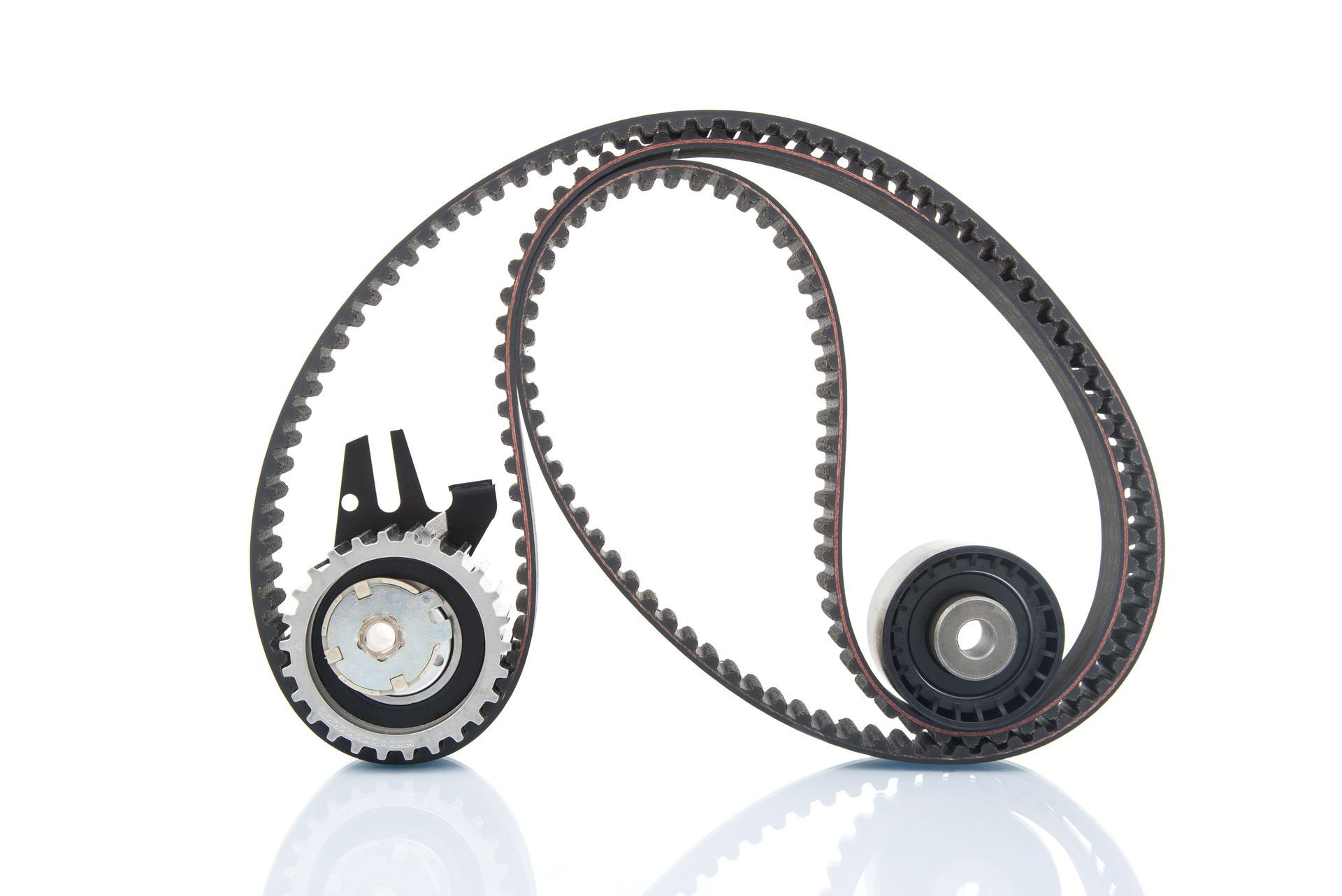
A belt that slips can smell like hot rubber, especially during startup or when accessories are under load. A worn belt can glaze over and squeal. A belt can also slip if a pulley is misaligned, a tensioner is weak, or an accessory pulley is starting to bind.
This smell often shows up after you start the engine or after using the A/C. You might also hear squealing for a moment. If the belt is overheating, it can wear quickly and eventually fail, leaving you without charging, power steering (on some vehicles), or cooling, depending on the belt layout.
We’ve seen belt issues that started as a light smell and occasional squeal, then escalated into a belt that shredded because the tensioner was no longer controlling it well.
Brake Or Clutch Heat That Mimics Burning Rubber
Overheated brakes can create a sharp, hot smell that some people describe as rubbery. This can happen after riding the brakes downhill, after a caliper sticks, or after a parking brake that did not release fully.
If you smell it after a drive and one wheel feels unusually hot, or you notice the car pulling slightly, the brakes are worth checking. Brake heat is not something to ignore because it can reduce stopping power and damage pads and rotors.
On manual transmissions, a slipping clutch can also create a hot smell, especially after starting on a hill or accelerating hard in a higher gear. That smell often accompanies rising engine RPM without a corresponding increase in speed.
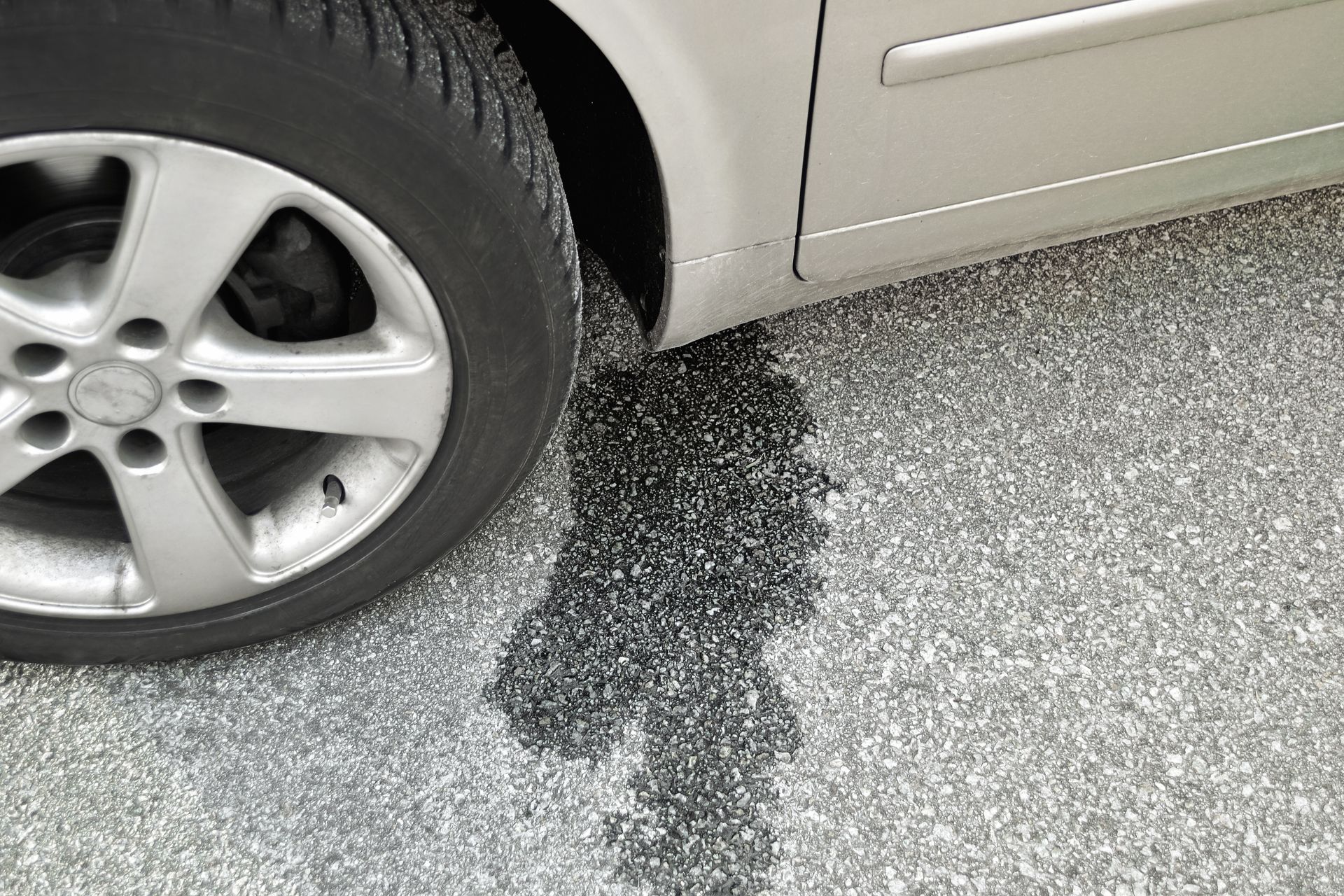
Oil Or Fluid Leaks Dripping Onto Hot Parts
Not every burning smell is rubber. Oil or power steering fluid leaking onto a hot exhaust component can create a smell that some drivers interpret as rubbery because it’s sharp and smoky.
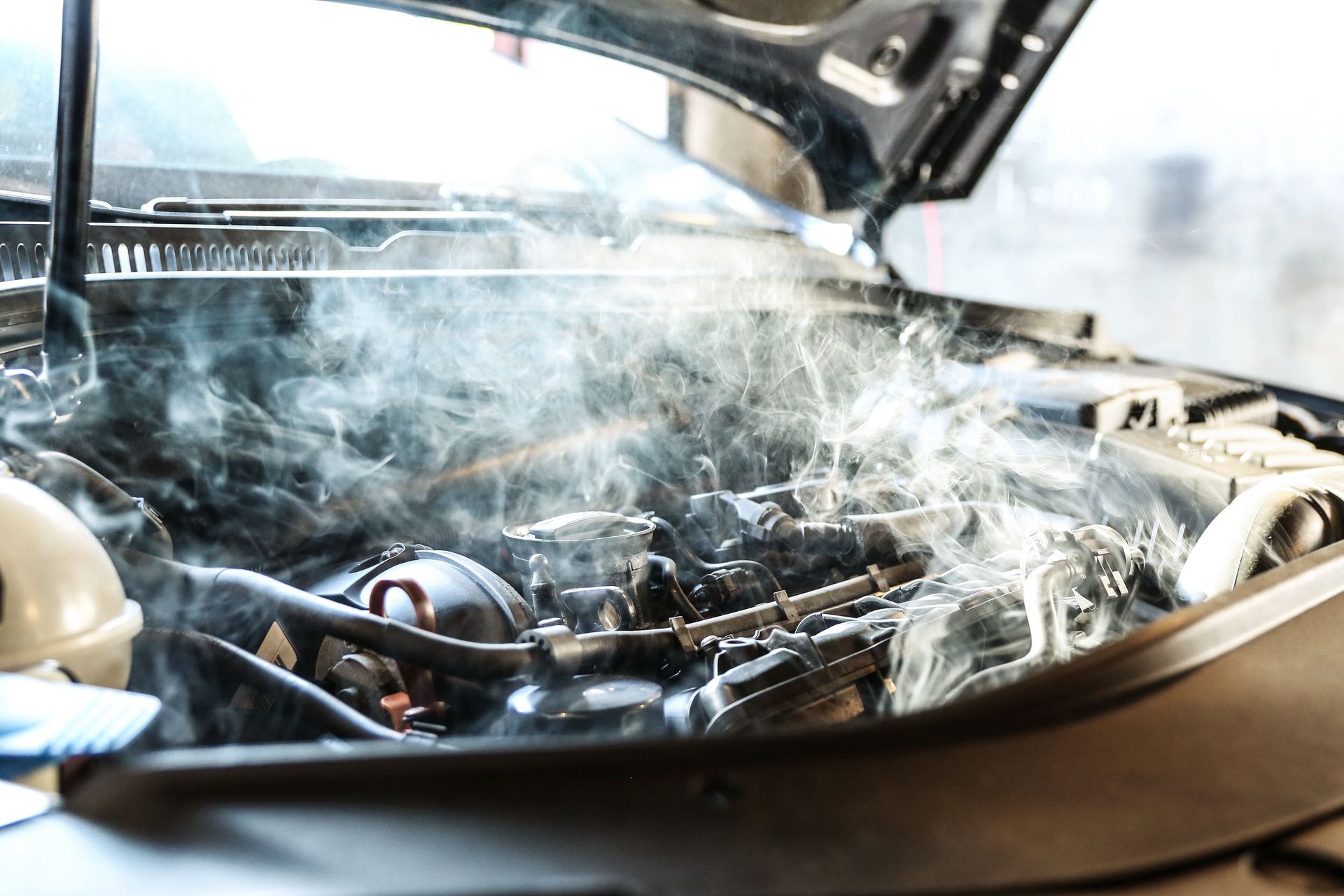
If you notice the smell most after parking, that can be because fluids drip onto hot components right after you shut the engine off. You might also see light smoke from under the hood. Even small leaks can smell strong, especially when the fluid hits a hot manifold area.
Electrical Smells And Why They Matter
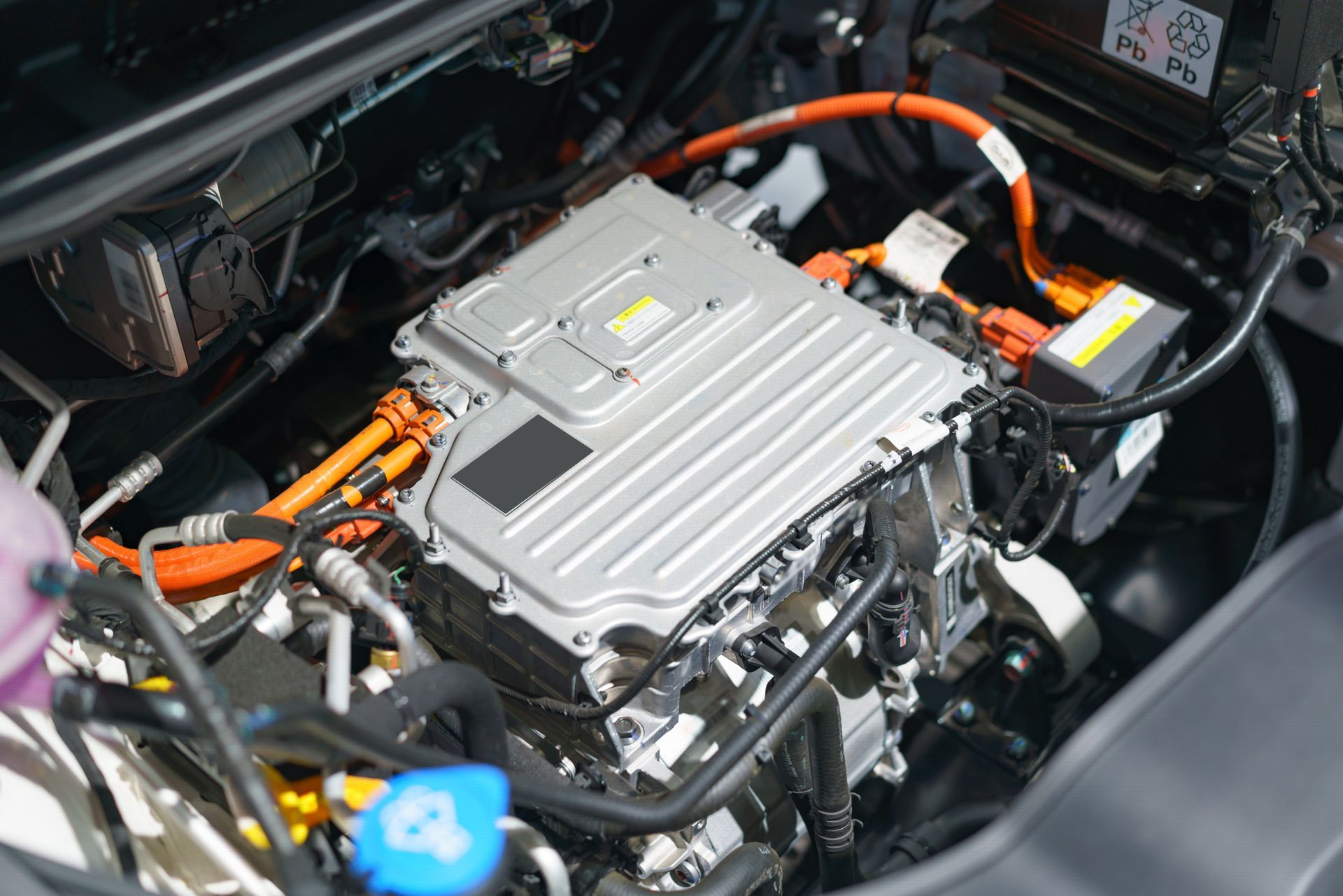
Electrical overheating can produce a hot, rubbery, or plastic smell. This can happen from an overheated wire, a shorted connection, or a failing motor, like a cooling fan or blower motor. The smell may be stronger inside the cabin if it involves HVAC components.
If you smell burning and notice flickering lights, battery warnings on the dashboard, or odd electrical behavior, it’s worth treating as urgent. Electrical heat can quickly damage wiring and pose a safety risk if it progresses.
What To Do When You Notice The Smell
If the smell is faint and brief, and there are no other symptoms, you may be able to drive cautiously to get it inspected. If the smell is strong, persistent, or paired with smoke, pull over and shut the engine off.
Avoid continuing long drives while hoping it goes away. Heat-related issues usually worsen with more driving. The sooner the source is identified, the smaller the repair tends to be.
Get Engine Diagnostics in Pensacola, FL, with East Hill Automotive
We can inspect the engine bay, belts, brakes, and underbody to pinpoint the source of the burning-rubber smell and fix it safely. We’ll focus on what’s overheating, what’s at risk, and what repair makes sense so you can drive without worrying about that smell returning.
Call
East Hill Automotive in Pensacola, FL, to schedule an inspection and get the issue handled.