You’ve just parked your car and returned a little while later, only to find a puddle underneath. It’s easy to panic when you see a mysterious leak, but not every fluid on the ground means there’s a serious problem. Still, understanding what different puddles might indicate can help you avoid costly repairs or dangerous breakdowns.
Let’s look at the most common types of vehicle fluid leaks, how to identify them, and when you should have your car inspected by a technician.
Clear Water – Likely Harmless
If the fluid is clear and odorless, especially on a hot day when you’ve had the air conditioner running, it’s probably just condensation. As part of the A/C system’s operation, moisture is removed from the air and drained underneath the car.
This type of puddle usually forms near the passenger side and is completely normal. Unless you notice other symptoms, there's no reason for concern.
Light Brown or Black – Engine Oil
A brown or black fluid with an oily texture is likely engine oil. You may notice it dripping from beneath the engine area. Fresh oil tends to be light brown, while older oil is darker and sometimes almost black.
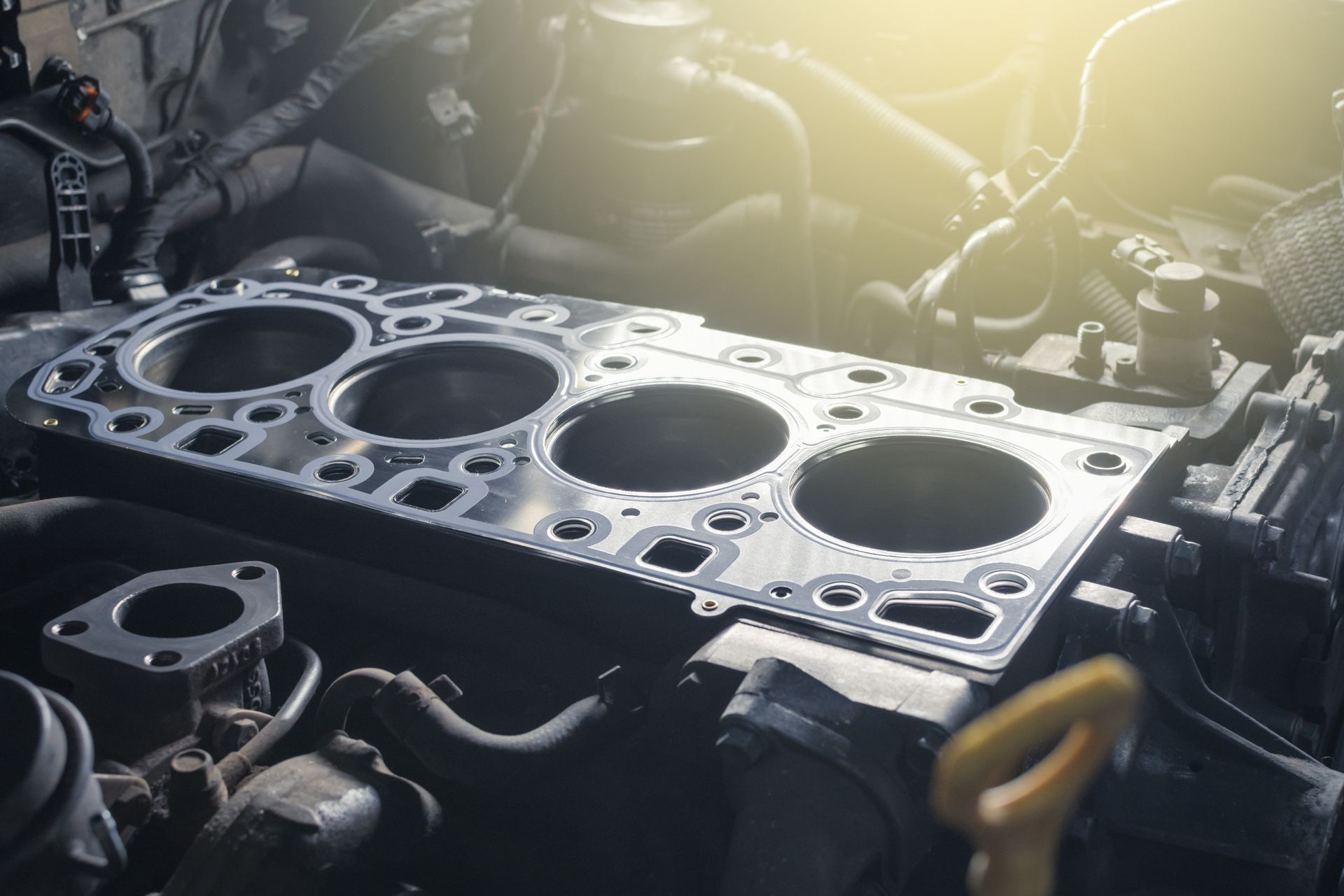
Oil leaks can occur from worn seals, a damaged oil pan, or a failing gasket. Even small leaks should be addressed quickly, since low oil levels can cause engine wear or damage.
Bright Green, Orange, or Pink – Coolant
Coolant, or antifreeze, comes in various colors depending on the vehicle. If you see a bright green, orange, or pink puddle near the front of the car, especially around the radiator or passenger side, it could be a coolant leak.
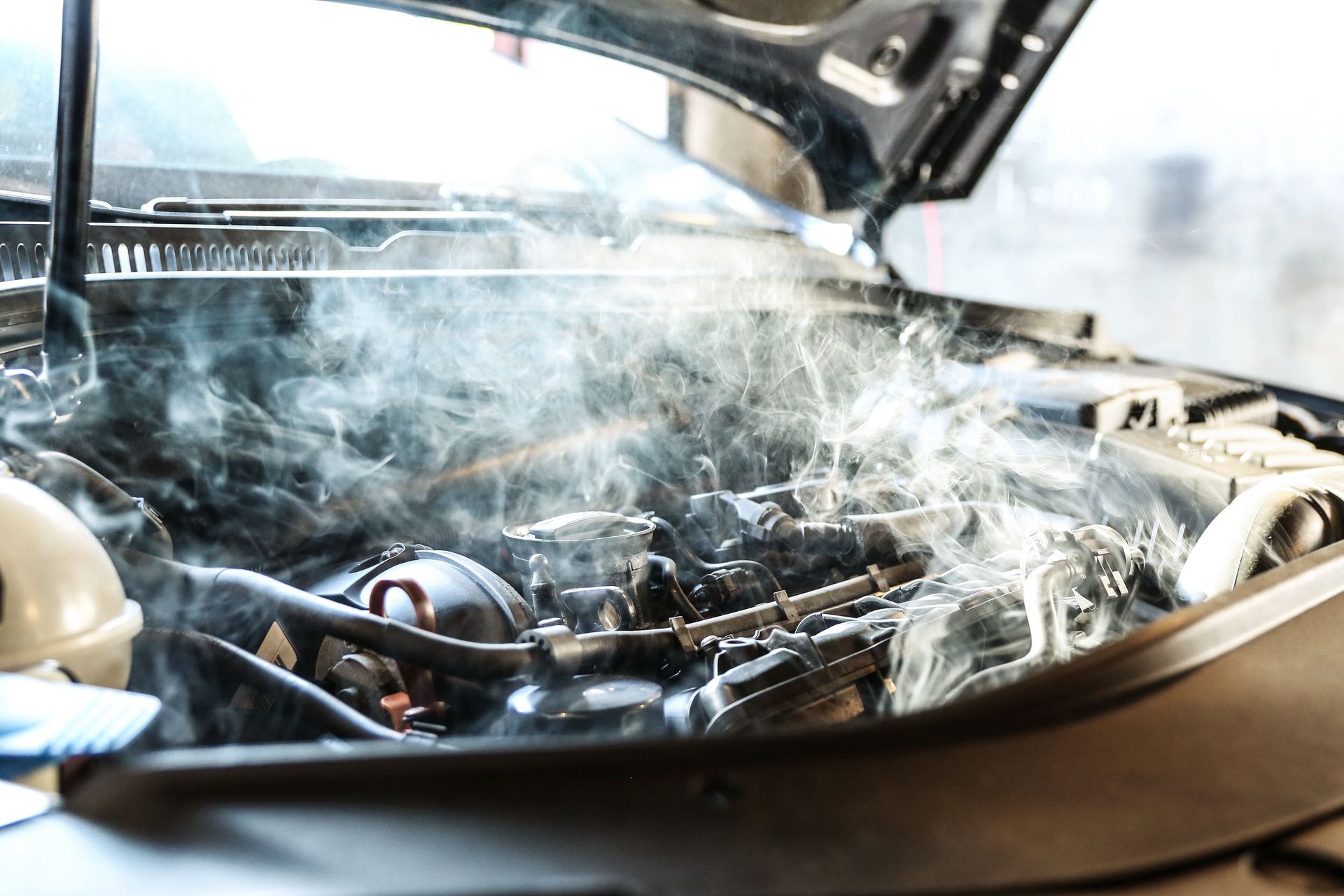
Coolant has a sweet smell and a slippery feel. Leaks may come from the radiator, a loose hose, the water pump, or the heater core. A low coolant level can lead to engine overheating, so any suspected leak should be checked immediately.
Reddish or Brown – Transmission Fluid
Transmission fluid usually appears reddish when fresh and brownish as it ages. It may leak from the center of the vehicle or closer to the front, depending on your car's drivetrain layout.
If left unaddressed, a transmission fluid leak can lead to hard shifting, slipping gears, or complete transmission failure. If you notice this type of puddle, have your transmission system checked right away.
Clear or Light Yellow – Brake Fluid
Brake fluid is slick to the touch and typically clear or light yellow. A leak is often found near the wheels or under the brake master cylinder. Because your car’s braking system depends on hydraulic pressure, any brake fluid leak is serious.
Even a small leak can affect braking performance and safety. If you suspect a brake fluid leak, avoid driving the car until a technician has inspected it.
Amber or Light Brown – Power Steering Fluid
Power steering fluid can resemble engine oil but usually has a thinner consistency and may be found leaking near the front of the car. Some vehicles use specialized hydraulic fluid for power steering, and a leak can lead to stiff or noisy steering.
If turning the wheel feels harder than usual or you hear whining while steering, you may be low on fluid due to a leak.
Diesel or Gasoline – Fuel Leak
A strong fuel smell accompanied by a visible puddle should always be taken seriously. Fuel leaks are rare but dangerous. You might spot the fluid under the fuel tank or along the path of fuel lines.
Do not drive the vehicle if you notice a fuel leak. It creates a risk of fire or explosion. Contact a professional for a safe inspection and repair.
When to Get a Leak Checked by a Technician
Some leaks, like A/C condensation, are harmless. But most fluid puddles under your car suggest a mechanical issue that needs attention. Even slow drips can turn into big problems if left alone. Our qualified technicians will identify the source, determine whether repairs are needed, and help prevent further damage.
Protect Your Vehicle with Expert Leak Diagnosis in Pensacola, FL
At East Hill Automotive in Pensacola, FL, our technicians are trained to track down and repair all types of fluid leaks. Whether it’s oil, coolant, brake fluid, or something else, we’ll get to the source and fix the issue before it becomes a bigger problem.
If you’ve noticed a puddle under your car, don’t wait. Schedule a visit to
East Hill Automotive and keep your vehicle safe, clean, and running the way it should.