Overheating does not always happen during long highway drives. In fact, many drivers first notice it while sitting in traffic. The temperature gauge starts creeping up, the air conditioning weakens, and the engine feels under more strain than usual. Once the car starts moving again, the temperature may drop, which makes the issue seem inconsistent.
That pattern is a strong clue. Overheating in traffic usually points to cooling system problems that show up when airflow is limited.
Why Airflow Matters More at Low Speeds
At highway speeds, air naturally flows through the radiator, helping carry heat away from the engine. In traffic, that airflow disappears. The cooling system relies on fans and internal circulation to keep temperatures under control.
If anything in that process is not working correctly, heat builds up quickly. That is why a car can run fine on the highway but struggle in stop-and-go conditions.
Cooling Fan Problems Are A Common Cause
The cooling fan plays a major role when the car is not moving. It pulls air through the radiator to keep temperatures stable. If the fan is not turning on, spinning slowly, or working intermittently, the engine will heat up in traffic.
Fan issues can come from electrical faults, worn motors, or sensor problems. These are not always obvious until the car is sitting still and the temperature begins to rise.
Low Coolant Reduces Cooling Efficiency
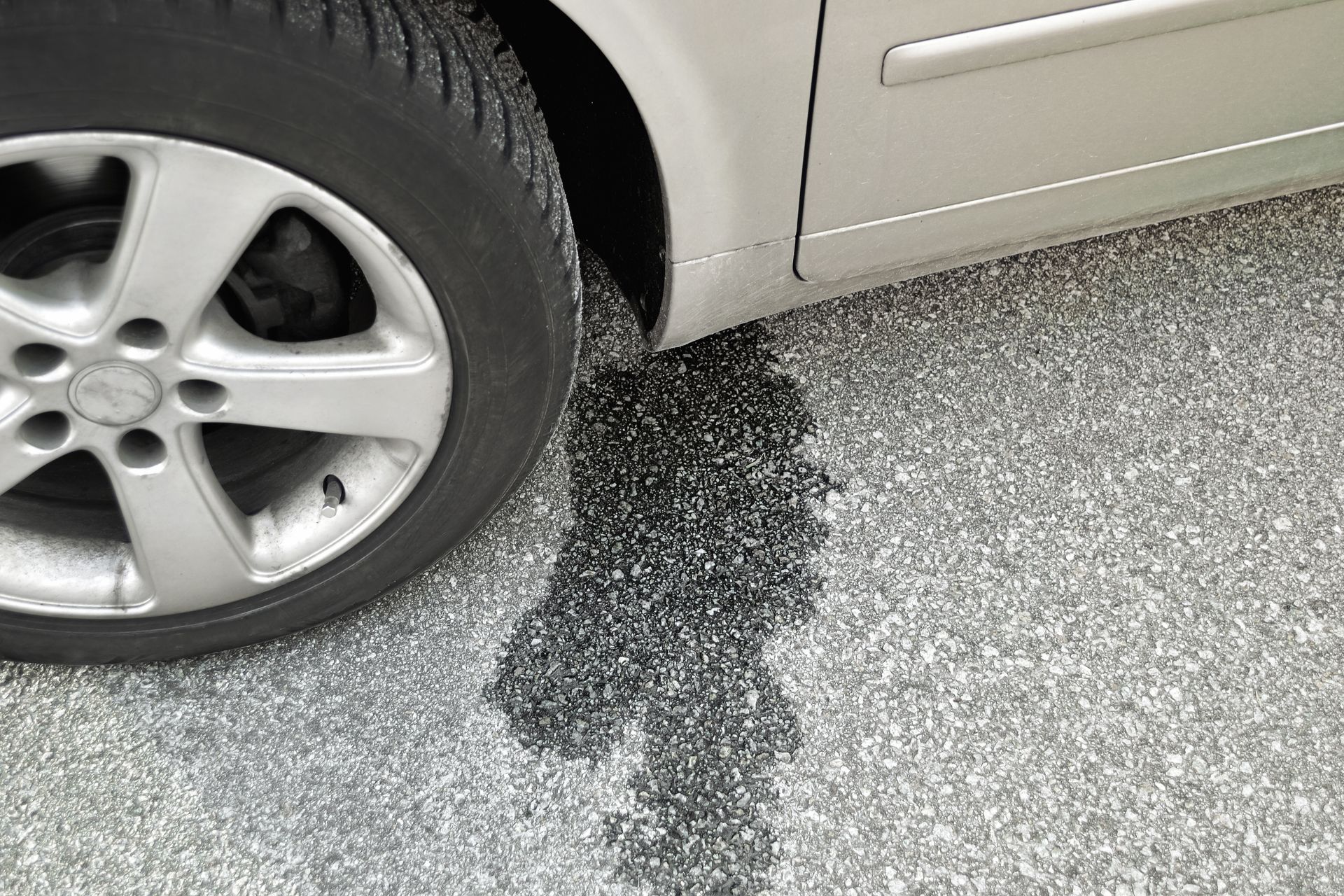
Coolant levels affect how well heat is transferred away from the engine. When the coolant is low, the system cannot circulate enough fluid to maintain effective temperature control.
In traffic, where cooling demand is higher, that shortage becomes more noticeable. Topping off coolant may help temporarily, but if levels keep dropping, there is likely a leak that needs attention.
A Failing Water Pump Can Limit Circulation
The water pump keeps coolant moving through the engine and radiator. If it is worn or failing, coolant circulation slows, reducing the system’s ability to remove heat.
This problem may not be obvious at higher speeds, but it becomes more noticeable when the engine is idling and relying heavily on steady coolant flow.
Radiator Blockage Or Wear Can Reduce Cooling
The radiator needs clear passages to transfer heat effectively. Over time, debris, corrosion, or internal buildup can reduce its efficiency.
A partially blocked radiator may still work well enough at highway speeds but struggle in traffic. That is when the reduced cooling capacity becomes more noticeable.
Thermostat Issues Can Affect Temperature Control
The thermostat regulates coolant flow based on engine temperature. If it sticks or does not open properly, coolant may not circulate as it should.
This can cause temperature spikes, especially when the engine is already under heat stress, such as during heavy traffic or warm weather.
Air Conditioning Can Add Extra Load
Using the A/C in traffic adds additional strain to the cooling system. The condenser sits in front of the radiator, and both systems depend on airflow.
If airflow is already limited and the cooling system is not operating at full capacity, running the A/C can increase the risk of overheating. That is why some drivers notice the temperature rising faster when the A/C is on.
Why You Should Not Ignore Traffic Overheating
Even if the temperature drops once you start moving again, the underlying issue remains. Repeated overheating puts stress on engine components and increases the risk of more serious damage.
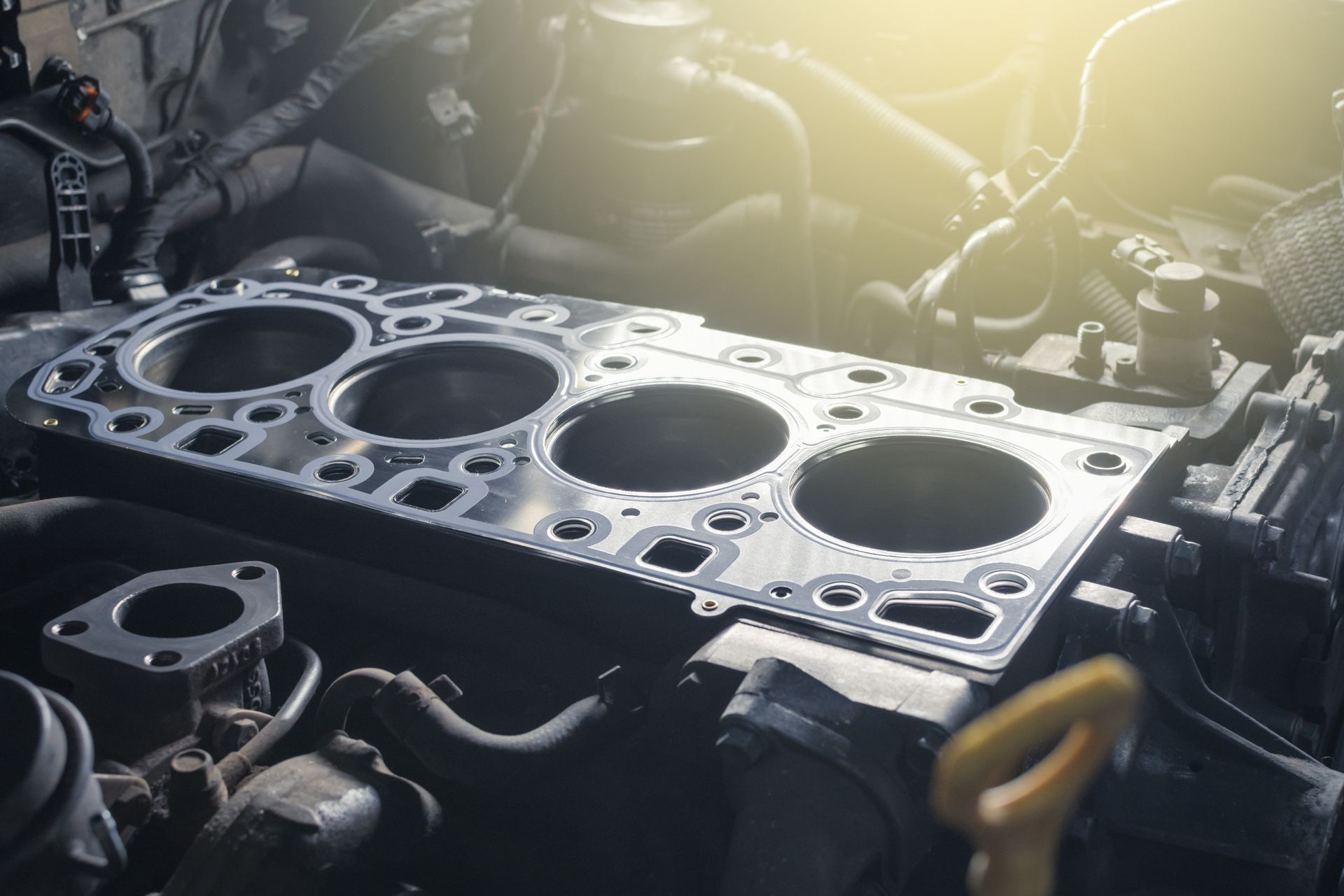
Problems like warped cylinder heads or head gasket failure can develop if overheating continues. Addressing the issue early helps prevent those outcomes.
How Regular Maintenance Helps Prevent Overheating
Cooling system checks are part of regular maintenance for a reason. Inspecting coolant condition, fan operation, and system pressure helps catch issues before they show up in traffic.
An inspection also helps identify leaks or worn components that may not be obvious during normal driving. Staying ahead of these problems keeps the engine operating within a safe temperature range.
When To Have Your Cooling System Checked
If your car overheats in traffic but cools down while driving, it is time to have the system inspected. That pattern is a clear sign that something is not working properly.
Getting it checked early helps confirm the cause and prevents repeated overheating, which can lead to more extensive repairs.
Get Cooling System Service In Pensacola, FL, With East Hill Automotive
If your car is running hot in traffic or showing signs of cooling system trouble, East Hill Automotive in Pensacola, FL, can inspect your system and find the cause before it leads to serious engine damage.