Electric cars skip oil changes, spark plugs, fuel filters, and exhaust work. That part is nice. What they do not skip is wear.
Tires still wear. Brakes still rust. Coolant still ages. Suspension parts still take pothole hits. Cabin filters still clog. Even a small low-voltage battery can cause an EV to act strangely when it gets weak.
An electric car has fewer traditional engine services, but it still needs the right checks at the right time. Here are five electric car service items every EV owner should keep on the radar.
1. Tire Wear, Tire Pressure, And Alignment
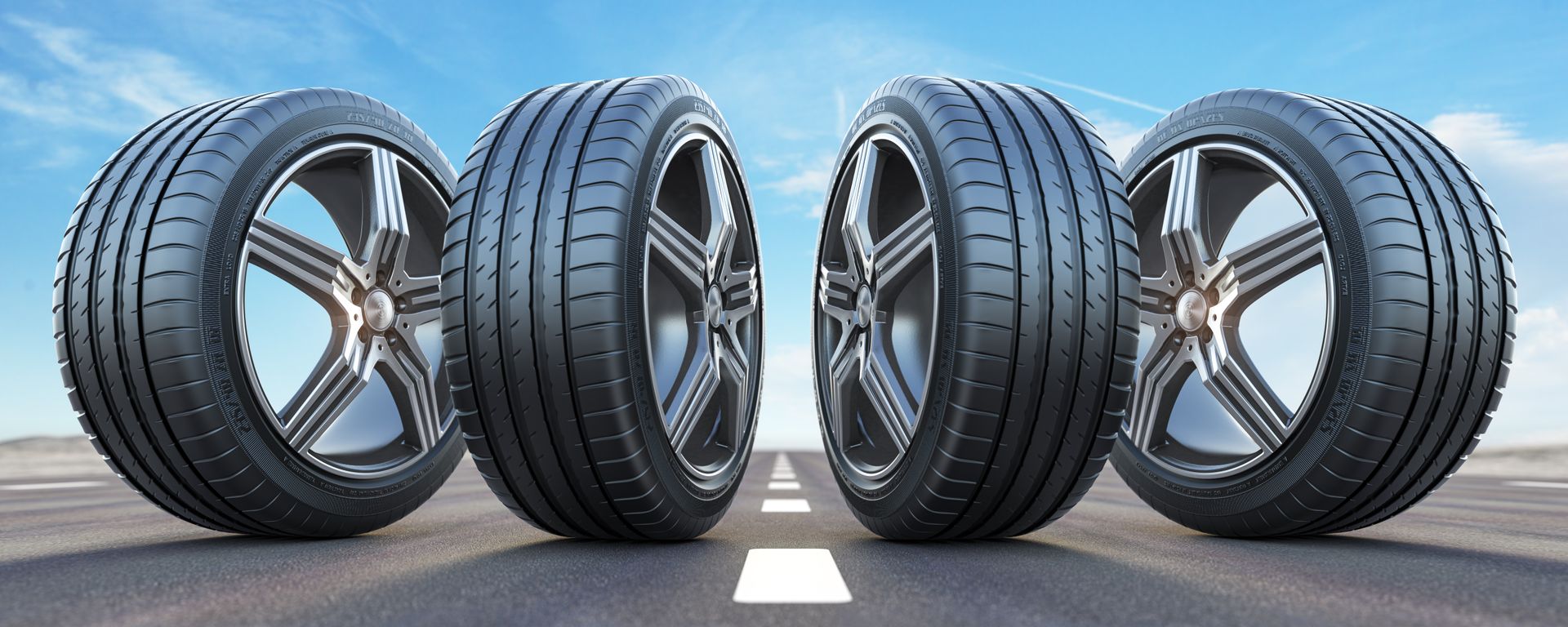
EV tires work harder than many drivers expect. The battery adds weight, and instant torque can wear the tread quickly if the tires are not rotated or kept at the right pressure. Because EVs are quiet, tire noise can also sneak up on you slowly.
A tire may look fine from the outside, while the inside edge is wearing fast. Low pressure can reduce range and build heat. Poor alignment can chew through a set of tires long before the tread wears out.
During regular maintenance, tire pressure, tread depth, wear pattern, and alignment clues are worth checking. If the steering wheel sits off-center, the car pulls, or one tire looks different from the others, the tires are telling you something about the vehicle.
2. Brake Pads, Rotors, And Brake Fluid
Regenerative braking helps slow the car and returns energy to the battery. That means the friction brakes may not wear down as quickly as they would on a gas-powered vehicle. Less wear sounds great, but there is another side to it.
Brakes that are not used hard very often can develop rust, sticking pads, dry slide pins, or uneven rotor surfaces. You may hear scraping after the car sits, feel a little vibration, or notice a brake smell after normal driving. Brake fluid still absorbs moisture over time, too, even if the pads have plenty of life left.
We check brake conditions differently on EVs because pad thickness is only part of the story. The brakes need to move freely, apply evenly, and be ready when regenerative braking is not enough.
3. Battery Cooling And Coolant Condition
The high-voltage battery is the part most EV owners think about, but many do not think about how it stays at the right temperature. EVs use cooling systems to manage heat in the battery, power electronics, motor, charger, and other components, depending on the model.
Coolant can age, leak, or lose its protective qualities. Pumps, hoses, valves, and temperature sensors also have to work correctly. If the system is not managing heat well, you may notice reduced range, slower charging, warning messages, or limited power.
Do not treat EV coolant like something that lasts forever. A proper inspection can check coolant level, condition, visible leaks, and warning data before a cooling issue puts expensive components at risk.
4. Low-Voltage Battery And Electrical Checks
EVs have a large high-voltage battery, but they also use a smaller low-voltage battery to wake up computers, locks, lights, modules, and control systems. When that smaller battery gets weak, the symptoms can be confusing.
You may see warning messages, charging problems, no-start behavior, key detection issues, or electronics that act differently after the vehicle sits. The main battery may have plenty of charge, but the car still may not power up correctly if the low-voltage side is weak.
Our technicians test low-voltage battery health, terminals, charging behavior, and related electrical data when an EV starts acting odd. It is a simple check that can prevent a very annoying surprise in the driveway.
5. Cabin Air Filter, HVAC, And Heat Pump Performance
EV heating and cooling does more than keep the cabin comfortable. Climate control can affect range, defrost performance, battery temperature management, and energy use on hot or cold days.
A clogged cabin filter can reduce airflow, create musty smells, and make the fan sound louder than usual. If the vehicle has a heat pump, refrigerant, valves, sensors, and electric components, all have to work together. Weak heat, weak A/C, foggy windows, or strange vent smells are worth checking before the weather makes them worse.
A small filter or HVAC issue can make an EV feel less efficient than it really is. Clean airflow and proper climate operation help the car stay comfortable without wasting energy.
Get Electric Car Service In Pensacola, FL, With East Hill Automotivе
If your EV has uneven tire wear, brake noise, warning messages, weak airflow, range changes, or cooling system concerns, East Hill Automotivе in Pensacola, FL, can check the systems that still need service beyond the battery.