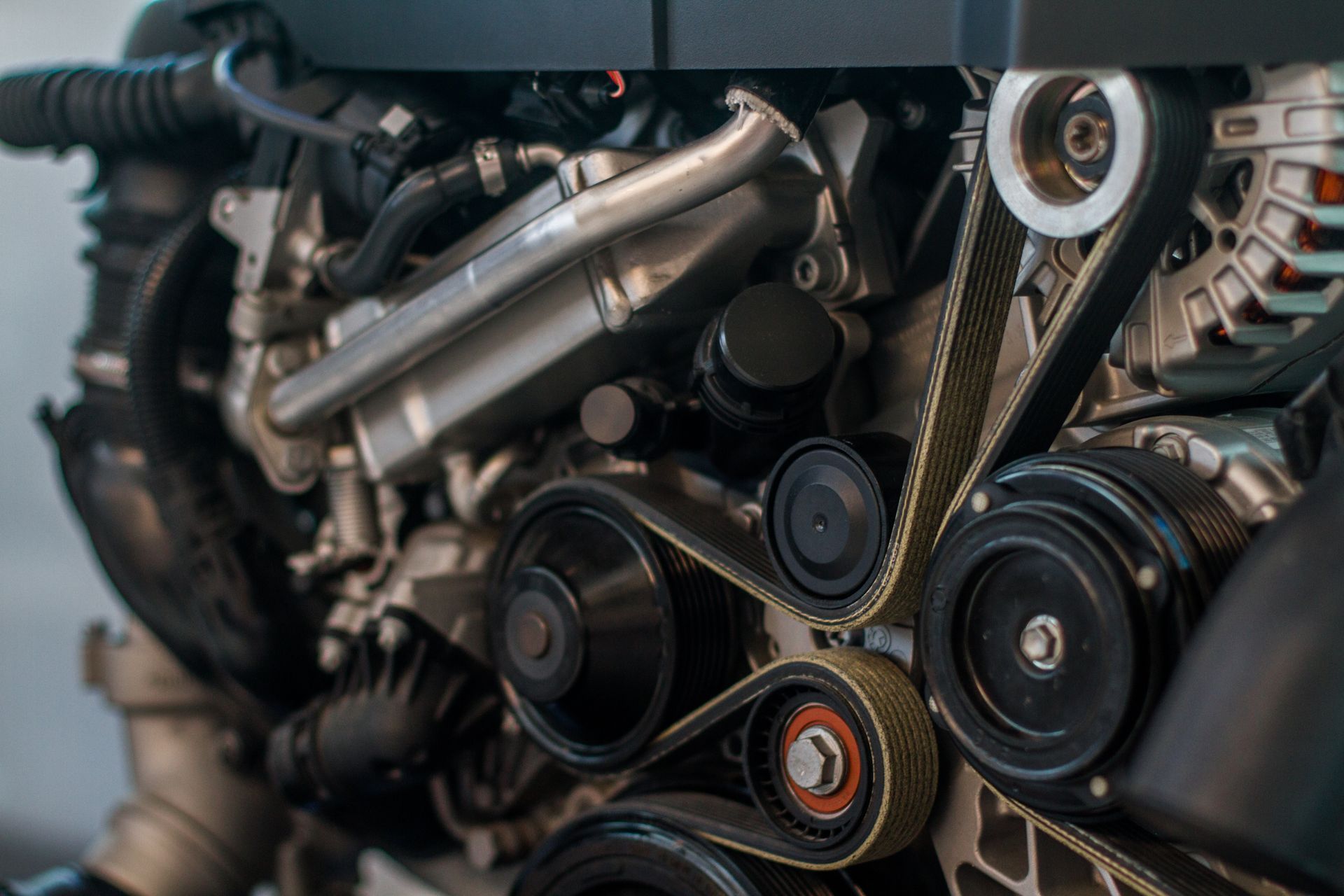
A timing belt operates as part of a complete system rather than as an isolated component. Tensioners guide it, pulleys keep it moving along the correct path, and on some engines the same belt also drives the water pump.
By the time scheduled timing belt service arrives, those surrounding parts have often accumulated the same mileage and heat cycles. Looking at the entire system while access is available can help prevent an older supporting component from creating trouble after a new belt has already been installed.
1. Timing Belt Tensioner
The timing belt tensioner keeps the belt tight enough to remain properly engaged with the crankshaft and camshaft sprockets. If the tensioner weakens or develops excessive movement, the belt can become loose, wear unevenly, or potentially jump teeth.
Because the tensioner has usually accumulated the same mileage and heat cycles as the old belt, it is commonly replaced during the same service. Installing a new timing belt while leaving behind a worn tensioner can shorten the life of the new belt and create timing-related problems that could have been avoided.
2. Idler Pulleys
Timing belt systems often use one or more idler pulleys to guide the belt around the engine. These pulleys contain bearings that spin whenever the engine is running, so they gradually wear just like other rotating components.
A pulley bearing may begin making noise, develop looseness, or feel rough before it completely fails. If an idler pulley seizes, the timing belt can overheat, shred, or break. For that reason, many timing belt kits include replacement idlers along with the belt and tensioner.
When the timing system is apart, technicians can check each pulley for roughness, play, and signs of leakage from sealed bearings. Replacing a questionable pulley while access is already available is usually far less expensive than repeating the timing belt labor later.
3. Water Pump
On many engines, the timing belt drives the water pump. In those applications, replacing the water pump during timing belt service is often recommended because the pump is located behind the same covers and requires much of the same labor to reach.
A water pump can fail in more than one way. The shaft bearing may develop play or noise, the seal can begin leaking coolant, or the impeller can deteriorate on certain designs. A leaking or seizing pump can also damage the timing belt or cause the engine to overheat.
If a separate accessory belt drives the water pump, the decision may be different. The technician should look at the specific engine layout, maintenance history, mileage, and pump condition before deciding whether replacement belongs in the timing belt service.
4. Camshaft and Crankshaft Seals
The camshaft and crankshaft pass through oil seals near the timing belt area on many engines. As these seals age, they can harden and begin allowing engine oil to seep toward the belt.
Oil contamination can weaken timing belt material and reduce its service life. If a seal is already leaking when the timing system is opened, replacing it before installing the new belt can protect the repair and prevent oil from reaching the new components.
That does not mean every dry seal must automatically be changed. Seal replacement should be based on condition, vehicle history, access, and the manufacturer's procedure. A careful inspection while the timing covers are removed gives technicians a much better view than they normally have during routine service.
5. Accessory Drive Belt and Related Components
The serpentine belt or other accessory belts often have to be removed before technicians can access the timing belt covers. If those belts are already worn, this can be a convenient time to replace them rather than reinstalling parts that are nearing the end of their service life.
Technicians may look for worn ribs, frayed edges, glazing, contamination, or missing material. The accessory belt tensioner and idler pulleys can also be checked while the belt is off. These parts are separate from the timing belt system, but finding a rough pulley or weak tensioner during the same repair can prevent another problem soon afterward.
Coolant and Other Service Items May Be Included Too
If the timing belt service includes a water pump, some or all of the engine coolant usually has to be drained. The cooling system should then be refilled with coolant that meets the vehicle manufacturer's specification.
This can also be a good opportunity to review coolant age, hose condition, and visible leak areas. If the coolant is already due for replacement, combining the service with the timing belt job avoids draining recently installed fluid again in the near future.
Why Replacing Related Parts Can Make Financial Sense
The timing belt itself may not be the most expensive component in the job. Much of the cost comes from gaining access to it. Engine mounts, accessory belts, covers, brackets, and other components may need to be removed before the timing system is exposed.
If an old water pump or tensioner fails a few months after the belt has been replaced, technicians may have to repeat much of that labor. Replacing aging components while everything is already apart can therefore reduce long-term repair costs even though it raises the initial service price.
Timing Belt Service Is Not the Same on Every Engine
Some timing belt kits include the belt, tensioner, idler pulleys, water pump, and related seals or hardware. Others are much more basic. What comes in the box should not determine what the engine actually needs.
The correct approach is to review the manufacturer's service procedure and the condition of the parts already on the vehicle. One engine may need a complete timing belt and water pump package, while another may use a different layout where several of those components are serviced separately.
Do Not Wait for the Timing Belt to Make Noise
Timing belts can deteriorate without creating an obvious warning for the driver. That is why manufacturers often specify replacement based on mileage, time, or both.
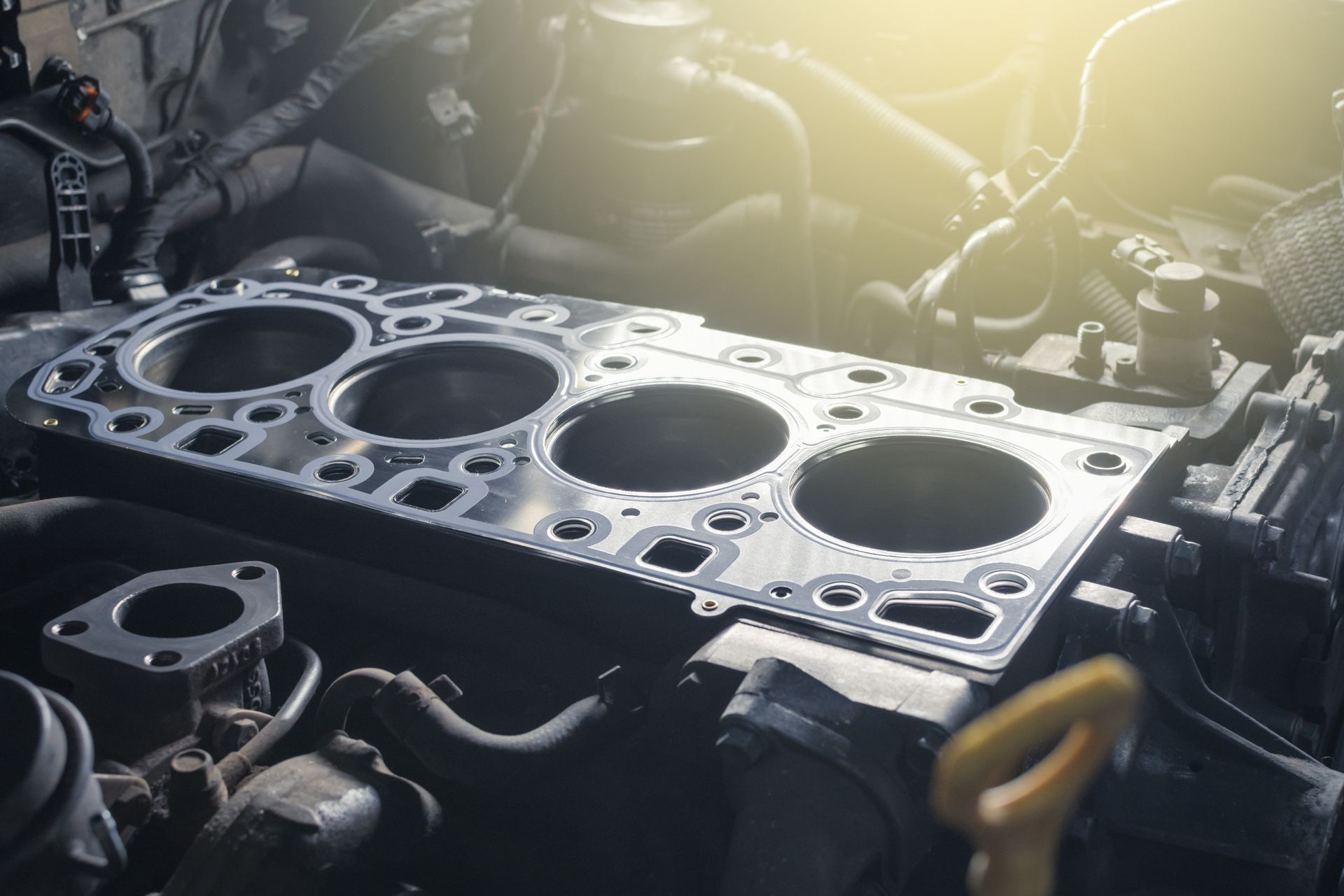
On interference engines, a broken or badly slipped timing belt can allow the pistons and valves to contact each other. The resulting damage may include bent valves, piston damage, and cylinder head repairs. Following the recommended timing belt interval is far less risky than waiting for symptoms.
Get Timing Belt Service in Pensacola, FL, With East Hill Automotive
East Hill Automotive in Pensacola, FL, can replace timing belts and evaluate the tensioner, idler pulleys, water pump, seals, accessory belts, and other related components while the engine is apart.
If your vehicle is approaching its timing belt interval or you are unsure when the service was last completed,
contact us to schedule timing belt service.